
Geeta
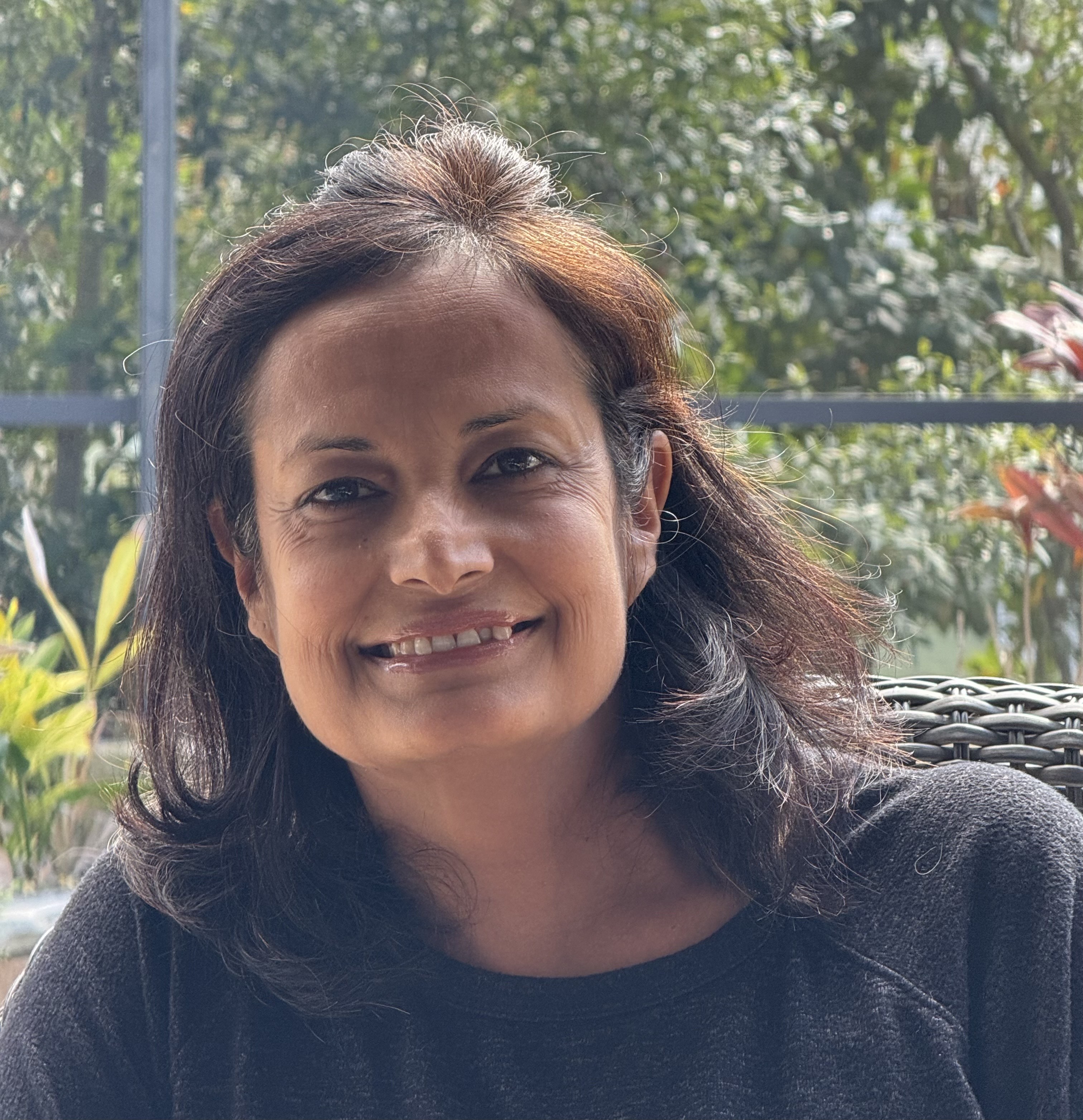
When we allow ourselves to get unstuck from the limiting beliefs that we may have acquired unconsciously, we feel free within and this freedom expresses itself as our well-being. “Healing happens little by little.” - unknown Geeta is a student intern in Clinical Mental Health Counseling. She has a background in yoga, meditation and mindfulness.
Background
Geeta moved to the U.S from India in 2005. She worked as a software engineer for 10 years. When she started her family, she took a hiatus, and yoga found her during that time. She became dedicated to her practice and has been teaching yoga and mindfulness since 2016.
Geeta is a therapist-in-training who weaves trauma-informed somatic practices, mindfulness, meditation, and grounding techniques into her work. She prioritizes creating a safe, supportive space where clients feel empowered to explore their inner experiences. At the heart of her approach is collaboration—working alongside clients to help them live from a place of deeper connection with themselves and others.
It would be an honor for her to be a part of your healing journey to Wholeness.
Essay written by Geeta:
From the state of fear or doubt, we either underplay or we exaggerate ourselves.
“In our attempts to control what we consider to be disturbing thoughts and emotions, we end up fighting, ignoring, disciplining, and hiding or feeling ashamed of the impulses that keep us from doing what we want to do with our lives” (Shwartz, 2021).
When the therapist holds space for us to understand our fears and doubts, we can offer compassion to our fears; they feel seen, heard, and understood; we start to create a friendship with our whole self, including the parts that we may have been hiding or running away from.
And, when we are not affected by fear or doubt, we don't feel the need to underplay or exaggerate ourselves. We live from our personal truth.
When we become aware of our thoughts and feelings in therapy, it can sometimes be overwhelming; creating new healthy patterns can be an arduous task. Somatic practices like mindful movement, breathwork, and grounding techniques can help those emotions and feelings move through our system rather than stay stuck.
Research shows that disturbing emotions can show up in different forms in our bodies.
For instance, anxiety may show up as tension in the neck, jaw, and shoulders, particularly in the neck. According to Harvard Health Publishing (2023), somatic practices also help alleviate these symptoms and allow our bodies to heal while we do the inner work. Typical talk therapies such as CBT engage only the mind, not the body, encouraging people to become aware of disturbing thoughts and behavior patterns and work to change them. This form of therapy cultivates an awareness of bodily sensations and teaches people to feel safe in their bodies while exploring thoughts, emotions, and memories.
My approach to therapy combines talk therapy with trauma-informed somatic practices. At the heart of my approach is collaboration - working alongside clients to help them live from a deeper connection with themselves and others.
References
Schwartz, R. C. (2021). No bad parts: Healing trauma & restoring wholeness with the Internal Family Systems model. Sounds True.
Harvard Health Publishing (2023) https://www.health.harvard.edu/blog/what-is-somatic-therapy-202307072951


Specialties
- Individual Sessions
- Trauma-Informed Yoga, Mindfulness, Meditation
Resources For You
Before your first appointment, you will be sent a link to your client portal where you will complete forms. Below are examples of what the forms may look like:
